Fifth Wheel Hitch Types: Rails, Puck, Slider, Gooseneck Adapter

In this guide
There are four common ways to put a fifth wheel hitch in a pickup: aftermarket rails bolted through the bed, the truck maker’s factory puck system, a slider (on either mount) for short beds, and a gooseneck adapter that replaces the trailer’s pin box so it hooks to a ball. For most new heavy-duty trucks, a puck-mounted hitch is the cleanest choice. Add a slider if the bed is about 6.5 feet or shorter. Whatever you pick, the hitch must be rated at or above the trailer’s GVWR and pin weight, and the truck’s own ratings still decide what you can tow.
This guide compares the types with real ratings from the B&W Companion OEM page, CURT’s A16 page, PullRite’s product page, Ford’s RV and Trailer Towing Guide and a Jayco fifth wheel owner’s manual, all read in October 2026. Hitch makers change models and ratings, so confirm the rating on the hitch’s label and the current product page before you buy.
The four types at a glance
| Type | How it mounts | Bed when hitch is out | Typical use | Example ratings (GTW / pin) |
|---|---|---|---|---|
| Rail-mounted | Steel rails bolted across the bed, through to the frame; hitch pins into rails | Rails stay in the bed | Older trucks or trucks without factory prep | B&W Patriot 16,000/4,000 to 20,000/5,000 lb; CURT A16 16,000/4,000 lb |
| OEM puck system | Hitch legs lock into the truck’s factory under-bed pucks | Nearly flat, with plugs in the holes | Newer Ford, GM and Ram HD trucks with the prep package | B&W Companion OEM 20,000/5,000 or 25,000/6,250 lb; CURT Q20 20,000/5,000 lb |
| Slider | Rail or puck base with a head that moves rearward | Same as its base | Short beds (about 6.5 ft and under) | B&W Patriot slider 18,000/4,500 lb; B&W Companion OEM slider 20,000/5,000 lb |
| Gooseneck adapter | Replaces the trailer’s pin box; couples to a bed ball | Only the ball remains | Owners who already have a gooseneck ball for other trailers | B&W adapter 25,000 lb with 3,250 or 4,500 lb max pin weight |
Ratings were read from the makers’ product pages on October 29, 2026. “GTW” is gross trailer weight; “pin” or “vertical load” is the weight on the hitch head.
First, the rule that decides the size
Jayco’s fifth wheel owner’s manual puts it simply: before choosing a hitch, know the trailer’s GVWR and pin box rating, and buy a hitch package rated equal to or greater than both. It also warns that an oversized or undersized hitch can damage the RV frame. Two more numbers sit above the hitch:
- Truck payload. Ford’s towing guide plans on king pin load of 15 percent of loaded trailer weight, and says the truck’s payload must cover that plus passengers and cargo. A 14,000 lb trailer puts roughly 2,100 lb in the bed. Our towing capacity vs payload guide walks through that math.
- The truck’s fifth-wheel tow rating in its towing guide, which can differ from its conventional rating.
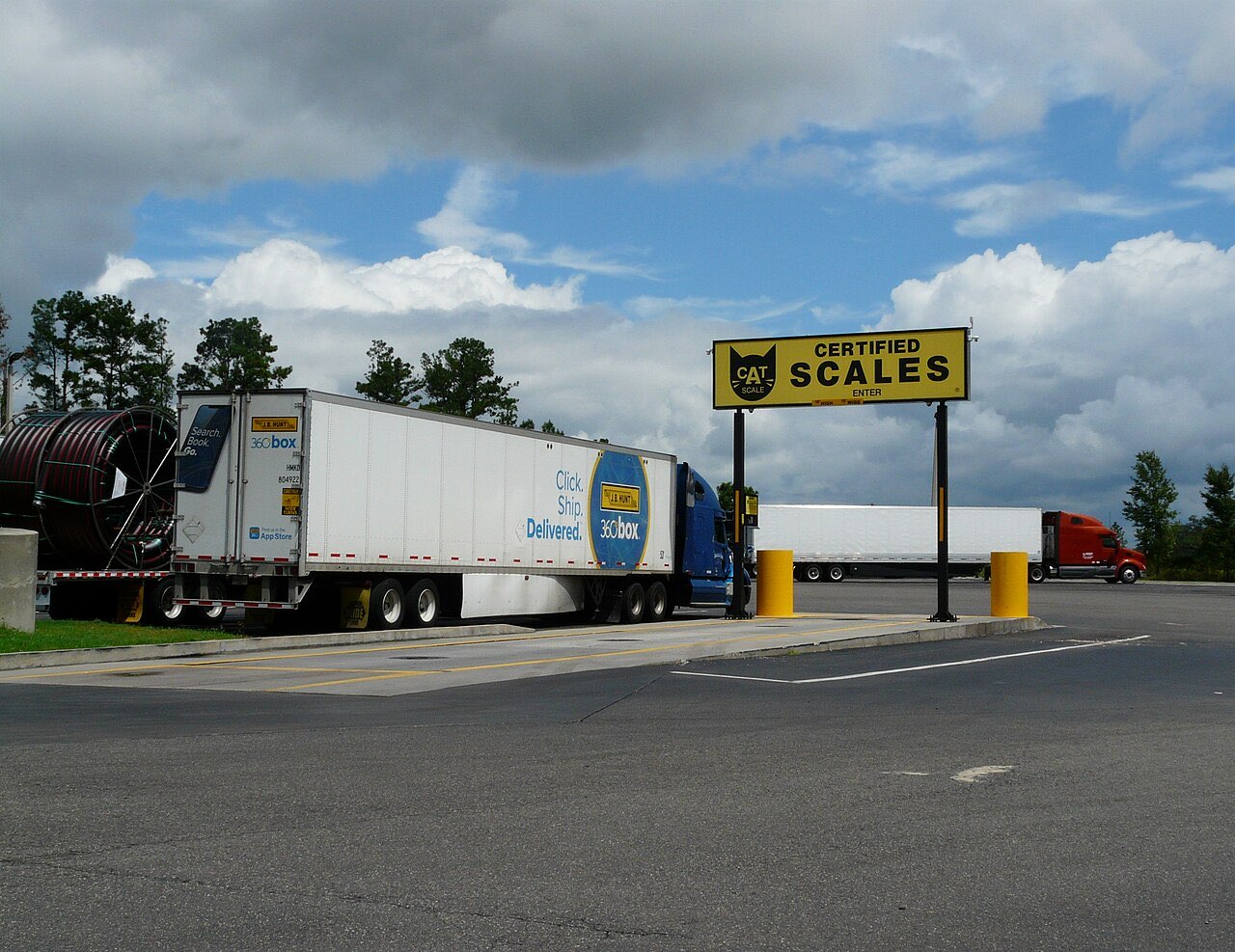
A 25,000 lb hitch on a truck rated for 18,000 lb is an 18,000 lb combination. The CAT scale guide shows how to get the real pin weight instead of the brochure figure.
Rail-mounted hitches
Rails are the traditional mount: two steel rails run across the bed and are bolted down through brackets to the frame. Jayco’s manual describes it as a pin box hitch “bolted directly to the floor of the truck box through the frame.” The hitch base then pins into the rails and can usually be lifted out, though it is heavy.
- Pros. Fits almost any full-size truck with an install kit, “industry standard” rails accept hitches from several makers (B&W says its Patriot “fits industry standard rails”), and the parts are widely available.
- Cons. The rails stay in the bed, which matters if you haul sheet goods or use the bed daily. Installation means drilling the bed.
- Ratings. CURT’s A16 is rated 16,000 lb GTW and 4,000 lb vertical load with 13 to 17 inches of height adjustment. B&W’s Patriot runs from 16,000/4,000 to 20,000/5,000 lb depending on model.
If your truck already has a factory puck system, rails are usually the wrong choice.
OEM puck systems
Most current heavy-duty pickups can be ordered with a factory fifth wheel and gooseneck prep package. Ford’s towing guide describes its version as under-bed hardware with five bed attachment points with plugs, a frame crossmember and an integrated 7-pin connector in the bed: four pucks for fifth wheel legs plus the center gooseneck socket.

A puck hitch drops its legs into those receptacles and locks with a handle. B&W describes its Companion OEM as “drop the base in the pucks, turn the handle, and pin in place.” Take it out and the bed is flat except for the plugs.
The catch is fit. Puck patterns differ by brand and truck generation, and some hitches are sold by bed length too. CURT lists its Q20 puck hitch separately for “Select Ram 2500, 3500, 8’ Bed” and “Select Ford F-250, F-350, F-450, 8’ Bed,” and B&W’s Companion OEM has separate versions for Ford, GM 2016 to 2019, GM 2020 to 2026 and Ram. Order by your exact truck and confirm the fit list.
| Puck hitch (from maker pages) | Gross trailer weight | Pin / vertical |
|---|---|---|
| B&W Companion OEM 20K (standard or slider) | 20,000 lb | 5,000 lb |
| B&W Companion OEM 25K (standard) | 25,000 lb | 6,250 lb |
| CURT Q20 puck (Ford or Ram 8 ft bed versions) | 20,000 lb | 5,000 lb |
Sliders for short beds
On a short-bed truck, the hitch sits close to the cab, and in a tight turn the front corner of a fifth wheel can swing into the cab or rear window. A slider solves that by letting the hitch head move rearward for turning.
- B&W’s advice on its Companion page: “If you have a short bed truck and anticipate a lot of tight turns you should consider a slider.”
- Automatic sliders such as PullRite’s SuperGlide move the trailer rearward “away from the cab during turns and backing up,” with 22-3/4 inches of slide travel, and are aimed at beds under about 6.5 feet.
- Manual sliders have to be unlocked and slid by pulling or backing against the trailer before a tight maneuver, then relocked before driving at speed. If you forget, the protection is not there.
Slider ratings are often lower than the same maker’s fixed hitch: B&W’s Patriot slider is 18,000/4,500 lb while the fixed Patriot reaches 20,000/5,000 lb. Check that the slider version, not just the hitch family, covers your trailer.
Some trailers have a long or offset pin box designed to add cab clearance; that is a trailer-side solution and should come from the trailer or pin box maker.
Gooseneck adapters
A gooseneck adapter replaces the trailer’s pin box (or bolts to its mounting plate) so the fifth wheel couples to a ball in the bed. The appeal is one bed setup for both a fifth wheel and gooseneck livestock or equipment trailers, and a nearly empty bed.
B&W’s Fifth Wheel to Gooseneck Adapter, as listed in October 2026:
- Fits Lippert 1621, 1621HD, 1116 and 1716 pin box mounting plates (the 1116 and 1716 need a shim kit for their 12-1/2 inch plate spacing) and Lippert Rhino plates.
- Rated 25,000 lb gross trailer weight with a 3,250 lb or 4,500 lb maximum pin weight; B&W suggests the smaller model for pin weights up to about 3,500 lb.
- Maintenance: inspect bolted connections and grease the ball before trips, grease the four joints every 2,500 miles, and grease the coupler yearly.
Two cautions. First, the ball and the truck’s gooseneck rating have to cover the trailer, too. Second, warranty: B&W’s FAQ says use of its adapter “should not void” a trailer’s frame warranty, but that is B&W’s view. Jayco’s manual says its factory pin box “is not interchangeable.” Ask your RV maker in writing before replacing the pin box.

Hitch height and tailgate clearance
Jayco says there is no single recommended hitch height; adjust the hitch (and the pin box, which is usually adjustable) so truck and trailer are essentially level when hitched. A nose-high trailer shifts weight back; a nose-down trailer loads the hitch more.
Clearance is the other half. Ford’s 2023 guide lists maximum tailgate heights for Super Duty 4x4 trucks at base curb weight from 56.7 to 61.3 inches depending on model, and notes that it varies with configuration and tires. Leave room between the trailer’s overhang and the bed rails for the truck to pitch over dips, and remember that airbags, lift kits and larger tires change the numbers.
Hitching and unhitching: the steps from the manual
Jayco’s procedure, condensed:
- Chock the trailer wheels.
- Open (cock) the hitch handle unless it opens automatically; set the pin box to the right height; drop the tailgate.
- Back so the hitch jaws surround the king pin; gentle contact closes the jaws.
- Secure the handle the way the hitch maker specifies (many use a safety pin or clip).
- Put the truck in drive with no throttle and bump against the trailer to confirm the lock.
- Raise the landing gear all the way.
- Attach the breakaway cable to the truck, plug in the 7-way, remove the chocks.
Jayco warns that the landing gear is designed to carry only the trailer’s front weight and must never support the tow vehicle. Unhitching reverses it: chock, lower the landing gear, disconnect, drop the tailgate, ease back to take pressure off the jaws, set the parking brake, release the handle and drive away. Our trailer brake controller guide covers the breakaway test, and the backing guide helps with lining up the pin.
Mistakes to avoid
- Buying the hitch rating, not the truck rating. The lower of the two always wins.
- Ordering puck legs by brand only. Generation and bed length matter.
- Skipping the slider on a short bed, then finding out in a fuel station turn.
- Not doing the pull test. A high hitch can feel latched when the jaws missed the pin.
- Mixing up lube methods. Some hitches call for grease on the plate, others for a plastic lube plate; follow the hitch maker.
- Assuming a gooseneck adapter is warranty-neutral. Ask the RV maker.
For conventional travel trailers, the equivalent setup work is in the weight-distribution hitch guide, and the travel trailer vs fifth wheel guide helps if you are still choosing a trailer.
Gear that helps with this job
These are add-ons for an installed hitch, not hitches. Choose the hitch itself by your truck’s fit list and the ratings above.
As an Amazon Associate we earn from qualifying purchases.
- CURT 16721 10-inch fifth wheel lube plate: A plastic plate that sits between the pin box and the hitch head in place of grease, for hitches whose makers allow lube plates.
 $11.68Price as of November 16, 2026, 10:00 AM ET. Prices and availability are accurate as of the date/time indicated and are subject to change. Any price and availability information displayed on Amazon.com at the time of purchase will apply to the purchase of this product.
- Camco Eaz-Lift king pin tripod stabilizer: Braces the pin box when the trailer is unhitched at camp to reduce front-end bounce; it does not replace the landing gear.
 $132.17Price as of November 16, 2026, 10:00 AM ET. Prices and availability are accurate as of the date/time indicated and are subject to change. Any price and availability information displayed on Amazon.com at the time of purchase will apply to the purchase of this product.
Listings change; check the current listing and your hitch maker’s instructions before buying.
Ratings and procedures above are from B&W, CURT and PullRite product pages, Ford’s 2023 RV and Trailer Towing Guide and Jayco’s North Point owner’s manual as read in October 2026. Your truck’s towing guide, the hitch’s label and your trailer’s manual override anything here.
Frequently asked questions
What is the difference between a puck system and rails for a fifth wheel hitch?
A puck system is the truck maker's factory under-bed mount: round receptacles in the bed floor that a matching set of hitch legs locks into, with a gooseneck socket in the middle. Rails are aftermarket steel rails bolted across the bed and through to the frame, and the hitch pins into them. Pucks leave a nearly flat bed when the hitch is out; rails stay in the bed. Puck legs are specific to the truck brand, generation and sometimes bed length, so check the hitch maker's fit list.
Do I need a slider hitch for a short-bed truck?
Often, yes. B&W says owners of short-bed trucks who expect a lot of tight turns should consider a slider, because the front corner of the trailer can reach the cab in a sharp turn. PullRite's SuperGlide moves the hitch rearward automatically during turns and backing, with 22-3/4 inches of travel. With an 8-foot bed, a standard fixed hitch is usually enough.
How much fifth wheel hitch capacity do I need?
Jayco's owner's manual says the hitch package should be rated equal to or greater than the trailer's GVWR and its pin box rating. So a trailer with a 16,000 lb GVWR and a 4,000 lb pin rating needs at least a 16,000/4,000 hitch, and the truck must also be rated for both. The hitch rating never raises the truck's towing or payload limit.
Can I use a gooseneck adapter instead of a fifth wheel hitch?
You can if the adapter fits your pin box mounting plate and is rated for your trailer. B&W's Fifth Wheel to Gooseneck Adapter replaces the pin box, fits Lippert 1621, 1621HD, 1116, 1716 and Rhino plates, and is rated 25,000 lb with a 3,250 or 4,500 lb maximum pin weight. Jayco's manual says its factory pin box is not interchangeable, so get your RV maker's position on warranty in writing before swapping.
How much pin weight does a fifth wheel put on the truck?
Ford's towing guide plans on king pin weight of 15 percent of the loaded trailer weight, so a 14,000 lb fifth wheel puts about 2,100 lb in the bed before people and cargo. That number comes off the truck's payload, which is why payload usually runs out before the tow rating.
Keep planning
- Flat Towing a Car Behind a Motorhome: Dinghy Basics
Flat towing a car behind a motorhome: how to check if your vehicle is flat-towable, tow bars and base plates, supplemental brake laws, and the hookup routine.
Updated Oct 2026 - Can a Half-Ton Truck Tow a 30 ft Travel Trailer?
Can a half-ton truck tow a 30 ft travel trailer? Sometimes. The payload math with real 2026 trailer specs and F-150 figures, plus how to check your own truck.
Updated Oct 2026 - How to Weigh Your RV at a CAT Scale
How to weigh your RV at a CAT scale: the 2026 price, the Weigh My Truck app, where each axle goes, how to read the ticket, and tongue weight from a reweigh.
Updated Oct 2026