Can a Half-Ton Truck Tow a 30 ft Travel Trailer?
In this guide
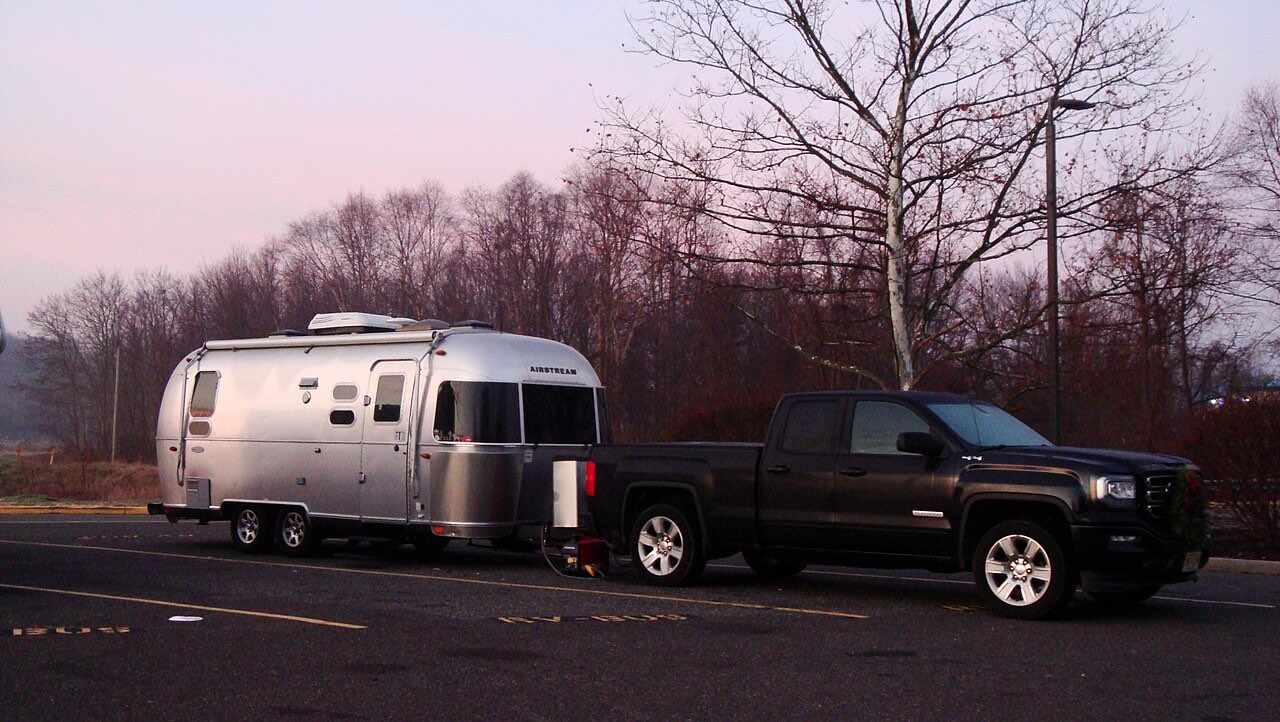
A half-ton truck can tow a 30-foot travel trailer if the trailer is a light one, the truck has a high payload sticker, and you pack with discipline. Most half-ton crew cabs with a mid-trim option list cannot do it within payload with a family aboard, even though the tow rating says they can. The tow rating is not the problem. The 700 to 1,100 lb of tongue weight a loaded 30-footer puts in the truck is.
This guide works the math with manufacturer specs for three current 29 to 30 foot trailers and official 2026 F-150 figures, explains which half-ton configurations have a chance, and gives a checklist to run on your own truck before you sign anything. Sources are manufacturer pages read on October 28, 2026; the numbers that govern your rig are on its own labels.
What “30 feet” weighs
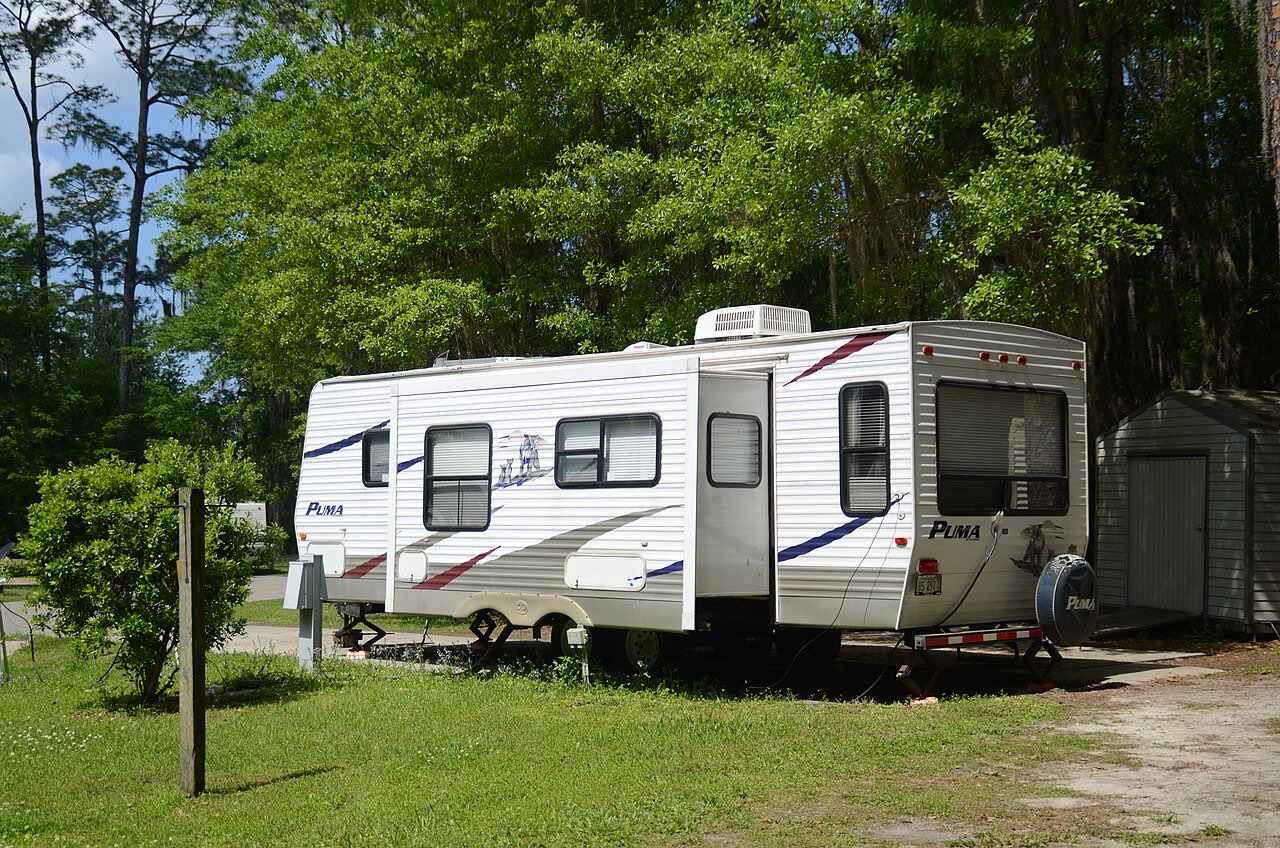
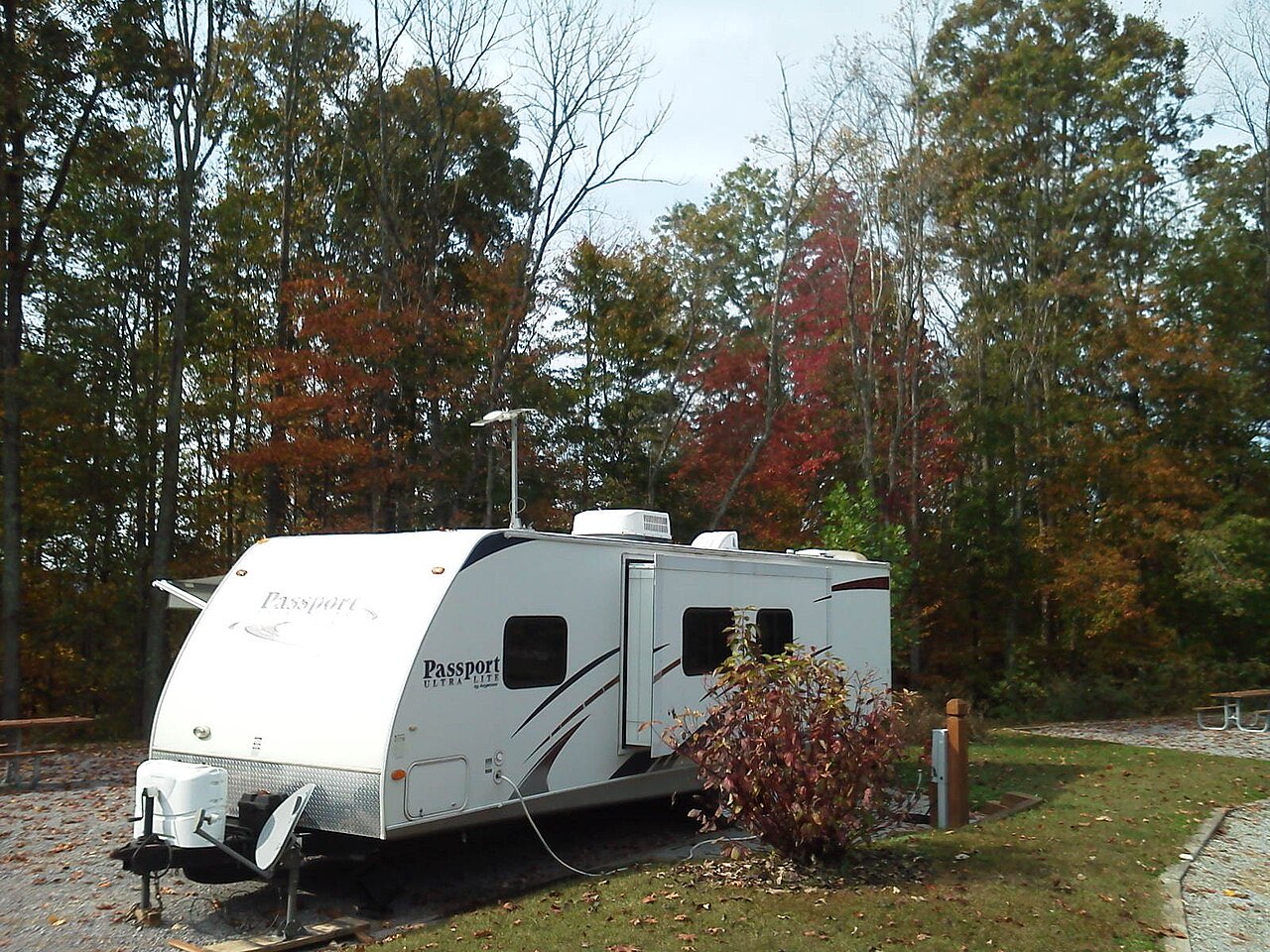
Travel trailer lengths are quoted several ways (box length, floorplan number, hitch-to-bumper), so “30 feet” covers trailers from about 29 to 31 feet overall. Three current examples, with the manufacturer’s own figures:
| Trailer | Overall length | UVW (dry) | Dry hitch weight | GVWR |
|---|---|---|---|---|
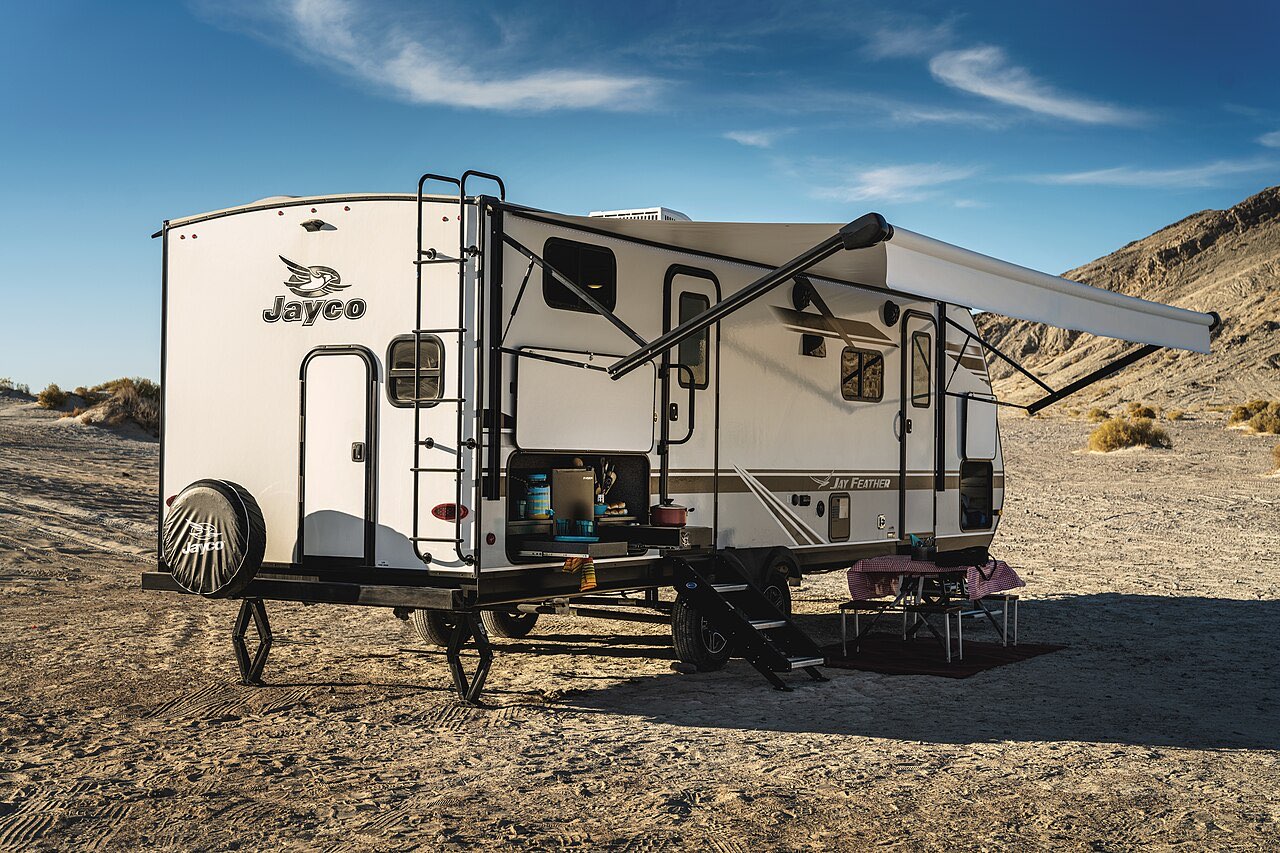
| Jayco Jay Flight SLX 260BH (2026) | 29’5” | 4,745 lb | 540 lb | 6,500 lb |
| Grand Design Imagine 2500RL | 29’7” | 6,569 lb | 678 lb | not on spec sheet (dealers list about 7,500 to 8,000 lb) |
| Forest River Rockwood Ultra Lite 2618RD (2026, dealer listing) | 29’9” | 6,554 lb | 674 lb | 8,474 lb |
Sources: Jayco; Grand Design spec sheet (revised December 2024, weights “based on the average weight of the standard build”); the Rockwood figures are from a dealer listing because Forest River’s site could not be read at the time of writing, so treat them as approximate.
Two things stand out. First, the spread: a 29-foot single-axle-class bunkhouse built light can have a GVWR 2,000 lb below a 30-foot trailer with residential furniture and a 4-season package. Second, the dry hitch weights all sit at 10 to 11 percent of dry weight, the bottom of the 10 to 15 percent tongue-weight range, and they rise with load.
What a half-ton can carry
Ford’s 2026 F-150 towing page lists maximum available towing of 13,500 lb and maximum available payload of 2,440 lb. Both are “available,” meaning specific builds: the towing figure is an XLT SuperCrew 4x4 with the 6.5-foot box, 3.5L EcoBoost, Tow/Haul Package and Max Tow axle; the payload figure belongs to a lighter configuration. Ford says plainly that capacity “varies significantly depending on vehicle configuration.”
The other half-tons publish similar best-case numbers: dealer pages citing Ram’s 2026 tables show up to 2,360 lb of payload (on the 3.6L V6), and Silverado 1500 dealer pages show figures around 2,260 lb on the 2.7L TurboMax, falling to roughly 1,870 lb on loaded trims; Tundra figures from third-party spec listings run about 1,600 to 1,940 lb. Manufacturer sites for Ram, GM and Toyota could not be fetched directly for this article, so those are secondary figures; the pattern they show is consistent, and it is the pattern that matters.
Crew cab, 4x4, leather, panoramic roof, 20-inch wheels, bigger engine: each one subtracts. A loaded crew-cab half-ton commonly carries a Tire and Loading sticker between 1,400 and 1,900 lb. The sticker is on the driver’s B-pillar and federal rule 49 CFR 571.110 requires it to state the maximum combined weight of occupants and cargo. Ford’s towing dictionary defines payload to include “the Tongue Weight if you are towing.” That sentence is the whole problem.
The math, three ways
Assume the same family and gear each time: two adults (350 lb), two children (150 lb), a dog (60 lb), a weight-distribution hitch (90 lb), and 200 lb of bed cargo, firewood, cooler, chairs and tools. That is 850 lb before any tongue weight, and it is not an extravagant load.
Case 1: light bunkhouse, high-payload truck
Jay Flight 260BH loaded to 6,000 lb, tongue weight at 12 percent = 720 lb. Truck sticker 1,900 lb (a SuperCrew 4x2 with modest options, or a 4x4 with the heavy-duty payload package).
- Payload used: 850 + 720 = 1,570 lb of 1,900 lb. Under, with 330 lb to spare.
- Towing used: 6,000 of 11,000-plus lb. Comfortably under.
Verdict: works. This is the pairing dealers have in mind when they say “any half-ton will pull it,” and it is real. It depends on the trailer being a genuine lightweight and the truck being specified for payload rather than comfort.
Case 2: light bunkhouse, typical crew-cab 4x4
Same trailer, truck sticker 1,550 lb (crew cab 4x4, mid trim, sunroof, 20s).
- Payload used: 1,570 of 1,550 lb. Over by 20 lb.
- Towing used: 6,000 of 11,000 lb.
Verdict: marginal. It can be made to work by leaving the firewood and the second cooler, traveling with less water, or putting the dog crate in the trailer, but there is no margin for a cargo carrier, a generator or a fifth passenger. Many people tow this combination; most of them are a little over.
Case 3: 30-foot rear-living trailer, typical crew-cab 4x4
Imagine 2500RL or Rockwood 2618RD loaded to 7,800 lb, tongue weight at 12.5 percent = 975 lb. Truck sticker 1,550 lb.
- Payload used: 850 + 975 = 1,825 of 1,550 lb. Over by 275 lb, about 18 percent.
- Towing used: 7,800 of 11,000 lb. Still under.
Verdict: does not work without removing most of the family or most of the gear. This is the single most common half-ton overload: a 30-foot couple’s trailer or a heavy bunkhouse behind a nicely optioned crew cab, 3,000 lb under the tow rating and 300 lb over the sticker. The driver feels a soft rear end, light steering and sway in crosswinds and blames the trailer.
The configurations that make it work
If you want a half-ton and a 30-footer, the truck has to be bought for payload:
- Heavy-duty payload or max-tow packages. They add springs, sometimes a heavier rear axle and tires, and raise GVWR; the sticker rises with them. On Ford’s lineup these packages are what separate a 1,500 lb sticker from a 2,000-plus lb one on otherwise similar trucks.
- Fewer options. Every comfort feature is payload spent at the factory. A 4x2 is lighter than a 4x4; a cloth XLT is lighter than a leather Platinum; 18-inch wheels are lighter than 22s.
- The lighter engine, sometimes. Turbo V6s often weigh less than V8s and hybrids, which shows up on the sticker. Check two actual trucks side by side rather than assuming.
- LT tires over P-metric. The sticker does not change, but the margin at the rear axle does; the tire age and pressure guide covers load index.
And the trailer has to be bought for weight:
- Choose by GVWR, not dry weight. A 6,500 lb GVWR trailer cannot be loaded past 6,500 lb; an 8,500 lb GVWR trailer of the same length almost always will be.
- Look at where the tanks are. Fresh tanks ahead of the axles raise tongue weight when full; behind, they lower it. Either way you need to weigh it.
- Skip the rear-bumper accessories. Bike racks and cargo carriers on the back lower tongue weight toward the sway threshold.
The checklist before you buy or hitch up
- Open the driver’s door. Write down the payload figure from the Tire and Loading label and the GVWR and rear GAWR from the certification label. Do this on the actual truck, not a brochure.
- Add up the people and the dog. Honestly.
- Add the hitch (80 to 100 lb for weight-distribution) and the gear that will live in the truck.
- Take the trailer’s GVWR, not its UVW, and multiply by 0.12. That is the planning tongue weight.
- Add it all. If the total is within about 90 percent of the sticker, you have a workable combination. If it is over, you do not, regardless of the tow rating.
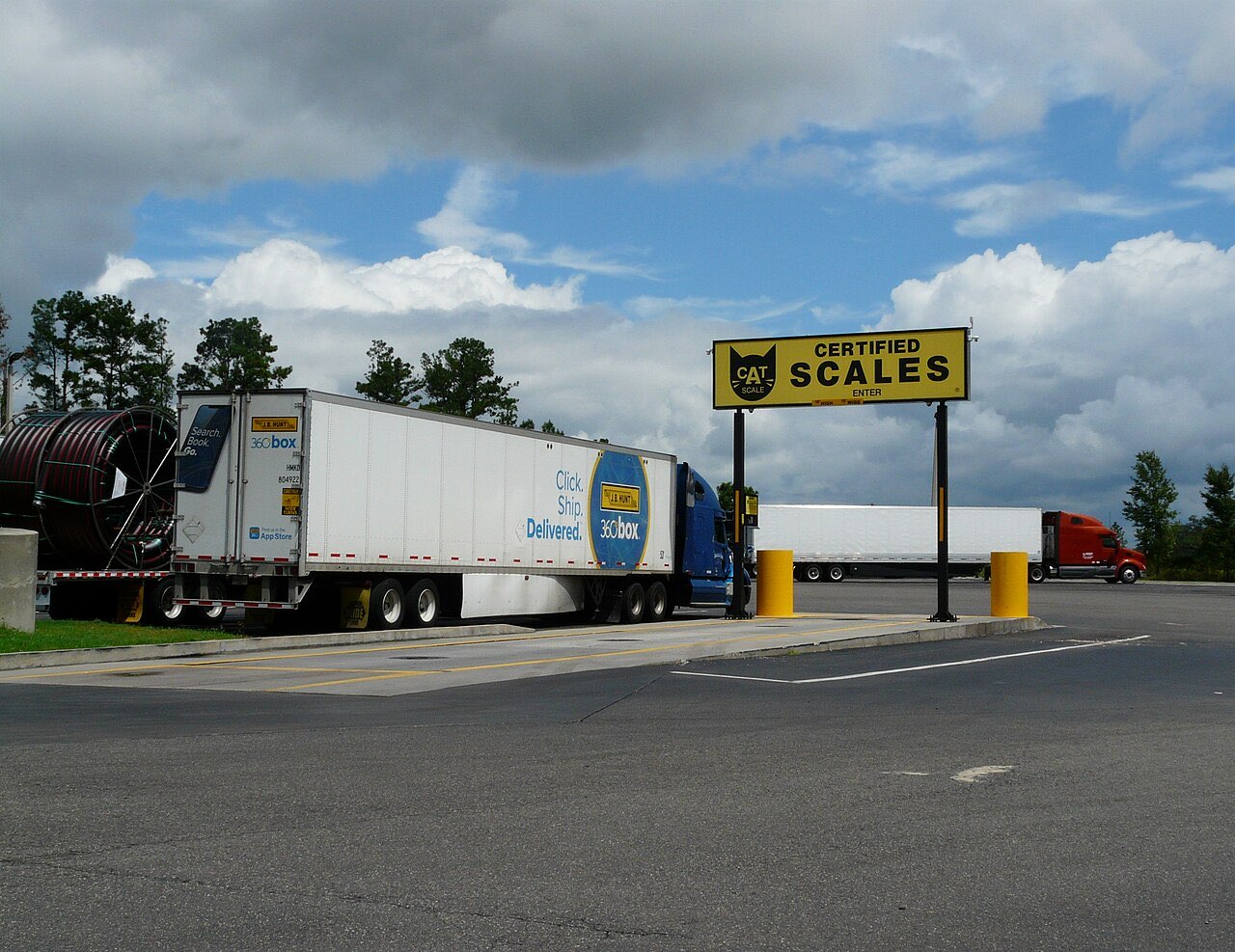
- After the first loaded trip, confirm all of it on a scale. The CAT scale guide explains the $15.25 weigh and the $5.25 reweigh that gives you true tongue weight.
The underlying distinction between the two ratings is explained in towing capacity vs payload.
When the answer is a bigger truck
A gas three-quarter-ton crew cab typically carries a 2,500 to 3,500 lb payload sticker, which turns Case 3 from 18 percent over into roughly 40 percent spare. The penalties are real: a stiffer unloaded ride, several miles per gallon, higher purchase price and tires that cost more. The benefit is that the trailer you want fits, the next trailer probably fits too, and the truck is never the thing you are managing on a windy interstate. If the plan involves the trailer growing, the national park loops that cap length, or towing in the mountains, the bigger truck is cheaper than buying a half-ton first; the travel trailer vs fifth wheel vs Class C guide lays out how each RV type changes the truck decision. For how long a 30-footer plus truck actually is at the campground, and which park campgrounds take it, see the sister site’s national park RV size limits guide.
Mistakes that make a legal pairing illegal
- Buying the trailer first and the truck “to match the tow rating.”
- Treating dry hitch weight as the real tongue weight.
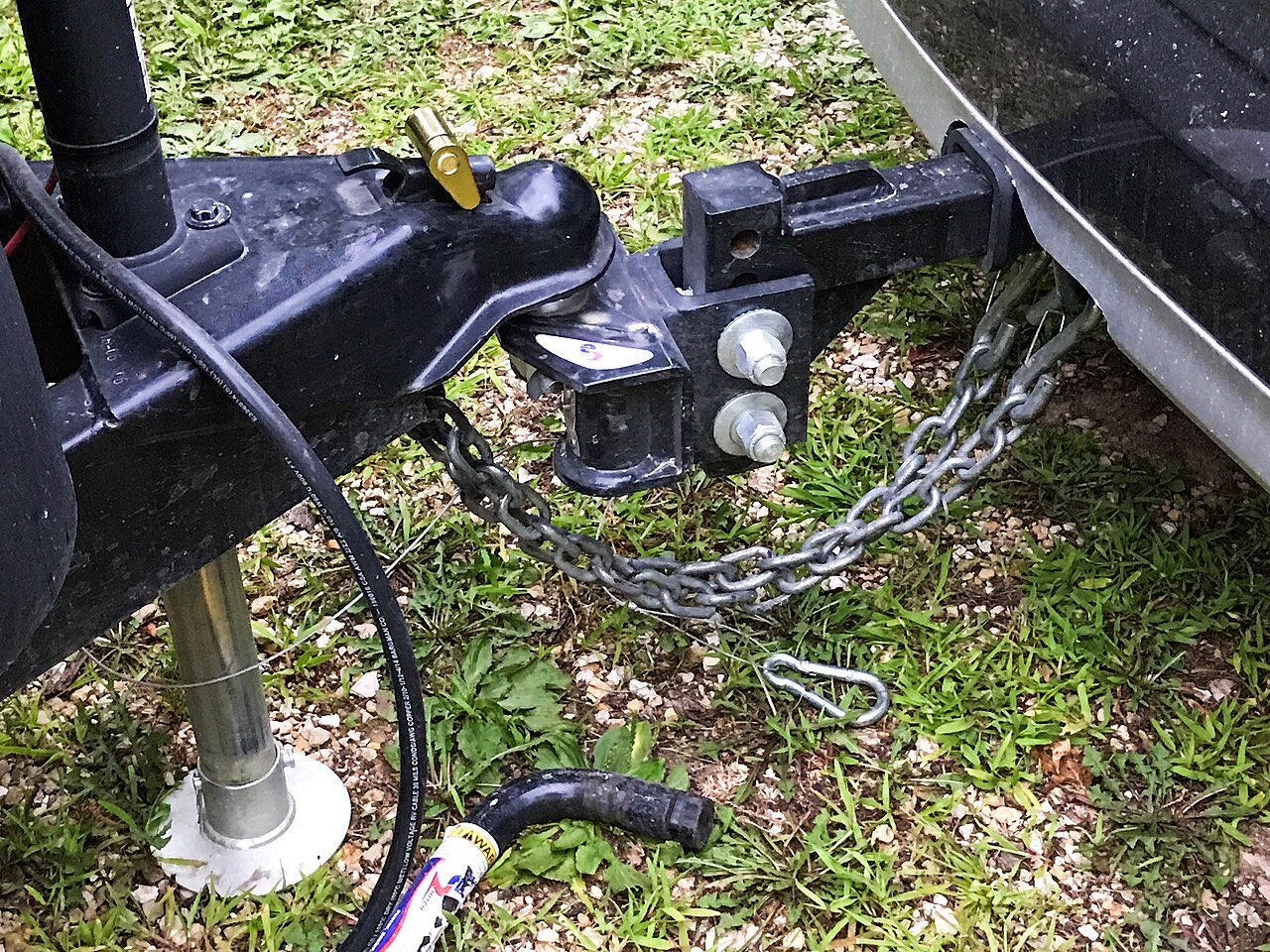
- Counting on a weight-distribution hitch to “add capacity.” It restores front-axle load; it adds nothing to payload.
- Filling the fresh tank for a boondocking weekend without rechecking the numbers; 50 gallons is about 415 lb, some of which lands on the hitch.
- Adding a hitch cargo carrier, a bed slide or a tonneau and never looking at the sticker again.
- Rounding ratings up because “they build in a safety margin.” The margin is for aged tires and hot brakes, not for the generator.
The short version
Yes for a genuinely light 30-footer behind a half-ton specified for payload and packed with care. No, by a few hundred pounds, for a typical 30-foot trailer behind a typical crew-cab 4x4 with a family aboard, even though the tow rating is fine. The arbiter is a two-line sticker on the driver’s door and a $20 trip across a truck-stop scale. Manufacturer figures above were read from ford.com, jayco.com and granddesignrv.com on October 28, 2026; Forest River, Ram, GM and Toyota numbers are from dealer listings and should be confirmed on the manufacturers’ current pages and, above all, on the labels of the actual truck and trailer.
Frequently asked questions
Can an F-150 tow a 30 foot travel trailer?
By tow rating, almost any recent F-150 with a tow package can: Ford lists 2026 ratings from 8,400 lb (2.7L EcoBoost) to 13,500 lb (3.5L EcoBoost, Max Tow), and a 30-foot travel trailer loaded for travel usually weighs 6,000 to 9,000 lb. By payload, it depends on the specific truck. The door-jamb sticker on a crew-cab 4x4 is commonly 1,400 to 1,900 lb, and a 30-footer's loaded tongue weight of 700 to 1,100 lb plus passengers and gear often uses all of it.
How much does a 30 ft travel trailer weigh?
Manufacturer figures for 29 to 30 foot models read in October 2026 range from a 4,745 lb UVW with a 6,500 lb GVWR (Jayco Jay Flight SLX 260BH, 29'5") to a 6,569 lb UVW (Grand Design Imagine 2500RL, 29'7") and dealer-listed GVWRs around 8,500 lb for Forest River Rockwood Ultra Lite floorplans of the same length. Plan on the GVWR, not the dry weight, because most owners travel within a few hundred pounds of it.
What tongue weight will a 30 ft trailer have?
Brochure dry hitch weights for 29 to 30 foot trailers run about 540 to 800 lb. Loaded, at the 10 to 15 percent of trailer weight that hitch makers recommend, expect 700 to 1,100 lb on the ball. That whole figure comes out of the truck's payload.
Which half-ton has the most payload?
The advertised maximums for 2026 are a best-case 2,440 lb on the F-150 per Ford, and dealer-listed figures of about 2,360 lb for the Ram 1500 and roughly 2,260 lb for the Silverado 1500, each on a specific regular-cab or work-trim configuration most buyers do not order. Crew-cab 4x4 trucks with popular options are typically 600 to 900 lb below the advertised maximum. The sticker on the individual truck is the only figure that counts.
Is a three-quarter-ton truck the easier answer?
Usually. Payload stickers on gas three-quarter-ton crew cabs commonly run 2,500 to 3,500 lb, which absorbs a 1,000 lb tongue weight, a family and gear with room to spare. The cost is ride quality, fuel economy and price. If you are already shopping, buying the truck for the trailer you will own in three years is cheaper than buying twice.
Does a weight-distribution hitch let a half-ton tow a heavier trailer?
It restores front-axle weight and reduces sway, and most manufacturers require one above a certain trailer weight, but it does not raise payload or GVWR. The tongue weight still rides on the truck. It makes a within-ratings combination handle properly; it does not make an over-payload combination legal.
Keep planning
- How to Weigh Your RV at a CAT Scale
How to weigh your RV at a CAT scale: the 2026 price, the Weigh My Truck app, where each axle goes, how to read the ticket, and tongue weight from a reweigh.
Updated Oct 2026 - Towing Capacity vs Payload: What Actually Limits Your Truck
Towing capacity vs payload explained: official definitions, a worked half-ton example, and why the door-jamb payload sticker runs out long before the tow rating.
Updated Oct 2026 - Tongue Weight Explained With Worked Examples
Tongue weight explained: the 10 to 15 percent rule, three ways to measure it, worked examples from real spec sheets, and what a weight-distribution hitch changes.
Updated Oct 2026