KOA vs State Parks vs Public Land: RV Camping Compared
In this guide
A full-hookup night costs roughly $50 to $100 at a KOA, $25 to $55 all-in at a state park, $10 to $30 at a developed federal campground, and nothing on dispersed BLM or national forest land. You pay for the hookups, the proximity to the interstate and the pool, in that order. The right mix for most RV owners is state and federal campgrounds for the destinations, a host program or public land for the nights in between, and a KOA when it is 8 pm, raining, and you need 50 amps and a pull-through.
This guide compares the five places an RV can legally spend the night, with fees from the operators’ own pages as of October 2026, the booking and stay rules that catch people out, and who each option suits. Where no official rate exists (KOA does not publish one), the range is marked as such.
The comparison
| KOA and private parks | State parks | Developed federal campgrounds (USFS, NPS, BLM, Corps) | Dispersed public land | Host programs (Harvest Hosts, Boondockers Welcome) | |
|---|---|---|---|---|---|
| Typical nightly cost | $50 to $100+ full hookup (no official rate card) | $20 to $35 site fee plus entrance, reservation or utility fees; $30 to $55 all-in | $10 to $35; 50% off with a Senior or Access pass at most | $0 | $0 camping fee; $99 to $179 a year membership plus a suggested $30 purchase at business hosts |
| Hookups | Full at nearly every site; 30 and 50 amp | Electric and water common; sewer at a minority of sites; dump station | Usually none; some electric loops; dump station at larger ones | None | Rarely; some BW hosts offer power for up to $15 |
| Site size and privacy | Tight; neighbors 15 to 25 ft away | Generous; trees between sites | Generous | Unlimited | A parking area, a field, a vineyard lane |
| Length limits | Pull-throughs for 45 ft rigs | Varies by loop; many sites 30 to 40 ft | Often 25 to 35 ft; check each site | Road and turnaround dependent | Host states a maximum |
| Booking | Online or phone, usually available | State system, 6 to 11 months out, fills on weekends | Recreation.gov, usually 6 months out, $8 fee | None | Request through the app; many same-day |
| Stay limit | None (monthly rates) | Usually 14 nights | Usually 14 nights | 14 days per period, then move | 1 night standard; some hosts allow more |
| Who it suits | Travel days, families who want a pool, 50-amp coaches in heat | Destination weekends, first trips | Destination trips in parks and forests | Self-sufficient rigs, long stays on a budget | Road-trippers covering distance, anyone who likes farms and wineries |
KOA and private RV parks
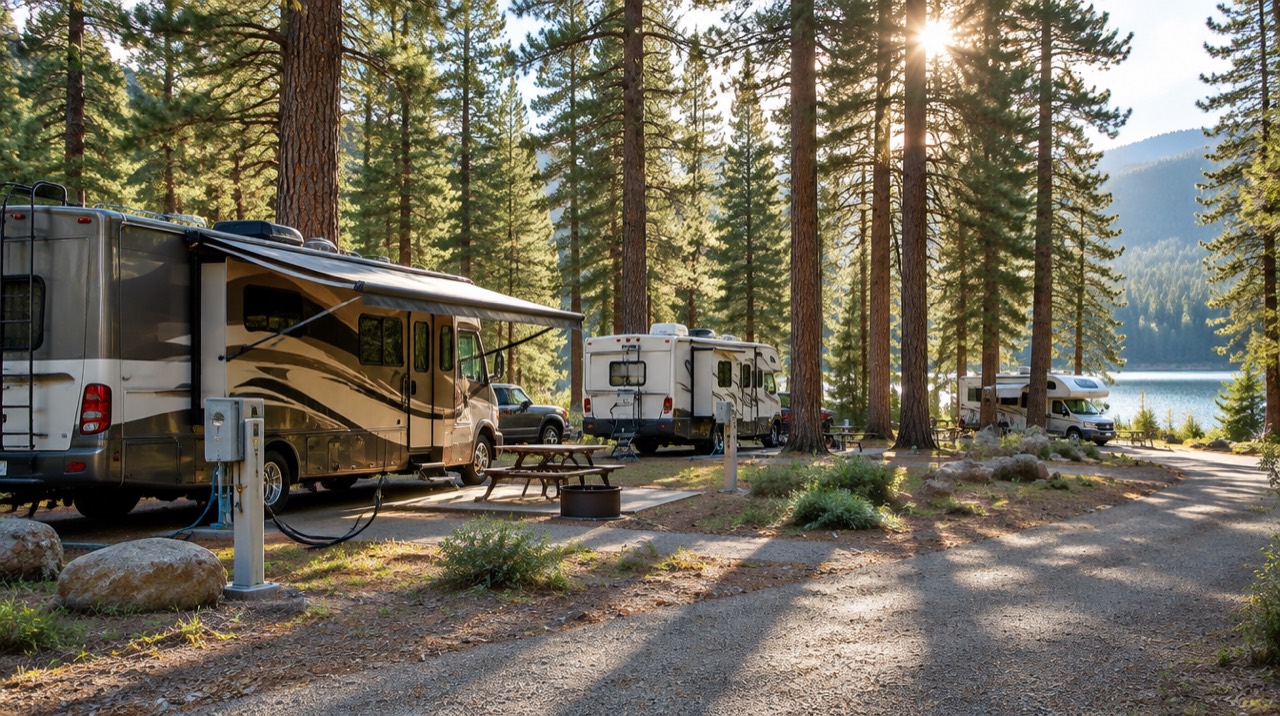
KOA is a franchise of more than 500 campgrounds in three tiers, which its own blog defines as follows: Journey campgrounds sit on highways for overnight stops, with pull-through 50-amp sites and after-hours check-in; Holiday campgrounds are base camps with Patio sites and Deluxe Cabins with bathrooms; Resort campgrounds add a resort-style pool and indoor and outdoor group facilities. Every KOA has a dog park, laundry, playground and store. The tiers describe amenities, not price bands, but Resort rates are reliably the highest.
KOA does not publish rates; each campground sets them, and the same site can be $20 more on a holiday weekend. Expect $50 to $100 a night for a full-hookup site, with Patio sites and Resort locations above that. The KOA Rewards card is $39 a year for 10 percent off the daily registration rate, not valid on weekly, monthly or seasonal rates, with points worth $10 at 6,500 and $50 at 25,000. At $70 a night it pays for itself in six nights.
Independent private parks range from mom-and-pop fishing camps at $35 to resorts at $150. Monthly rates ($500 to $1,200 depending on region, no official source) are where private parks beat everything else for long stays, which the full-time RV budget guide works through.
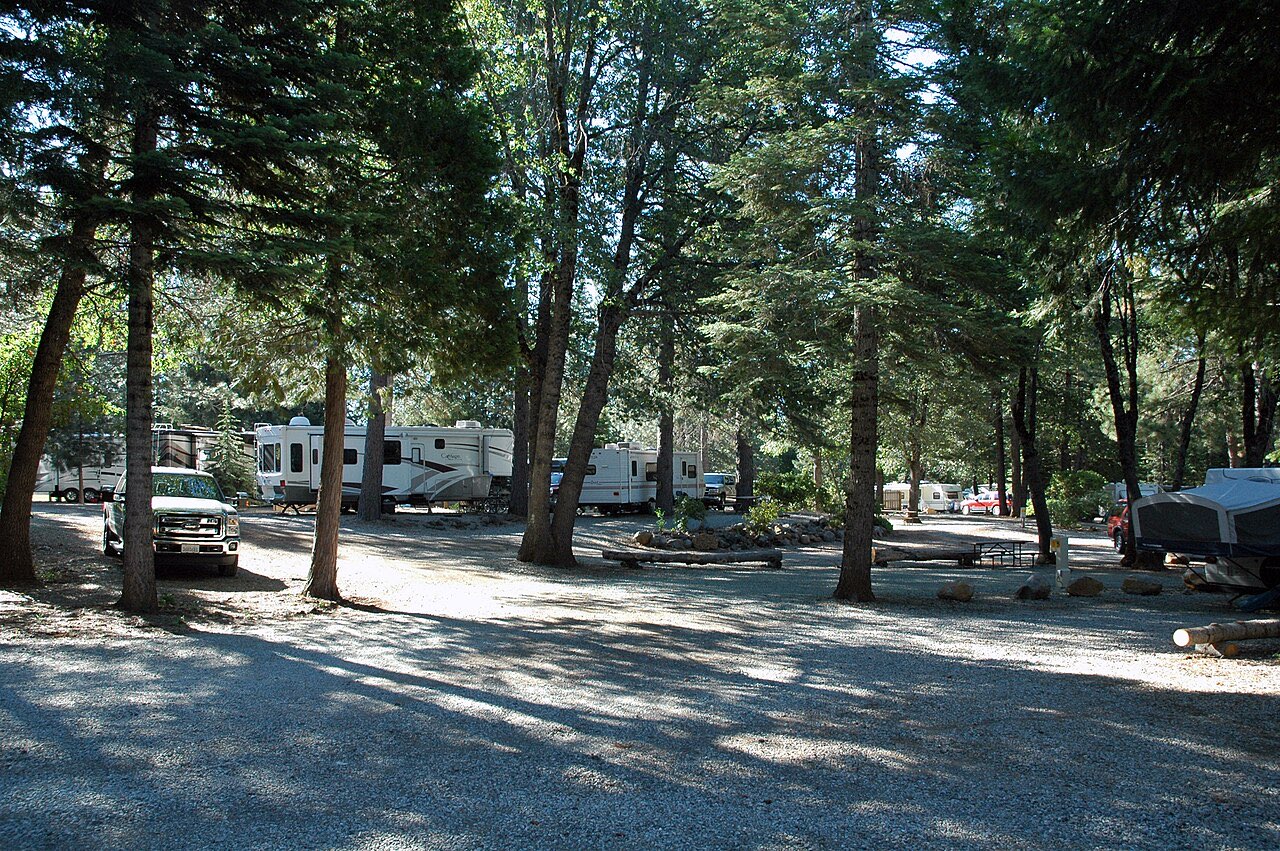
Who it is for: anyone arriving late, anyone running two air conditioners in July (50 amp at every site is rare elsewhere), families with young kids, and first-timers who want a staffed office. Mistakes: booking a Journey KOA for a week expecting a Resort; paying the daily rate for a seven-night stay when a weekly rate exists; assuming the pull-through is level (bring blocks anyway).
State parks
State parks are the best value in RV camping with hookups, and the hardest to book on summer weekends. Fees are set per state and often per park, and the advertised site rate is rarely what you pay:
- Texas: full-hookup sites are listed per park, as of October 2026 at $35 at Garner, $30 at Lake Brownwood, $25 at Caddo Lake and Meridian, $24 at Lake Tawakoni, $20 at Daingerfield. Every park adds a daily entrance fee per adult on top, which the annual Texas State Parks Pass waives at more than 80 parks (check the current pass price on tpwd.texas.gov).
- Florida: base rates vary by park (Blue Spring lists $24), plus a $7 nightly utility fee on every RV, boat, cabin and yurt unit that discounts do not reduce, plus a $6.70 non-refundable reservation fee per booking. Residents book 11 months ahead, non-residents 10.
- California: site rates vary widely by park; ReserveCalifornia adds an $8.25 non-refundable reservation fee, $8.25 per modification (two maximum) and $8.25 to cancel, and extra vehicles pay at the gate.
- Oregon: full-hookup sites at the busiest coastal parks were $52 in 2025 reporting, with a ceiling up to $80 approved; confirm on the state’s reservation site.
Hookups are usually electric (30 amp, with 50 at newer loops) and water, with sewer at a minority of sites and a dump station at the exit. The 30 vs 50 amp guide explains what a 30-amp site means for a 50-amp coach. Stay limits are commonly 14 nights. Site lengths are the catch: many state park loops were laid out for 25-foot trailers in the 1960s, and the reservation system’s “max RV length” is a hard number, not a suggestion.
Who it is for: destination weekends, first trips, anyone who values 50 feet between sites more than a pool. Mistakes: arriving without reading the entrance-fee and utility-fee lines; booking a site shorter than the rig because the photo looked big; cancelling inside the window and losing the reservation fee plus a cancellation fee.
Developed federal campgrounds
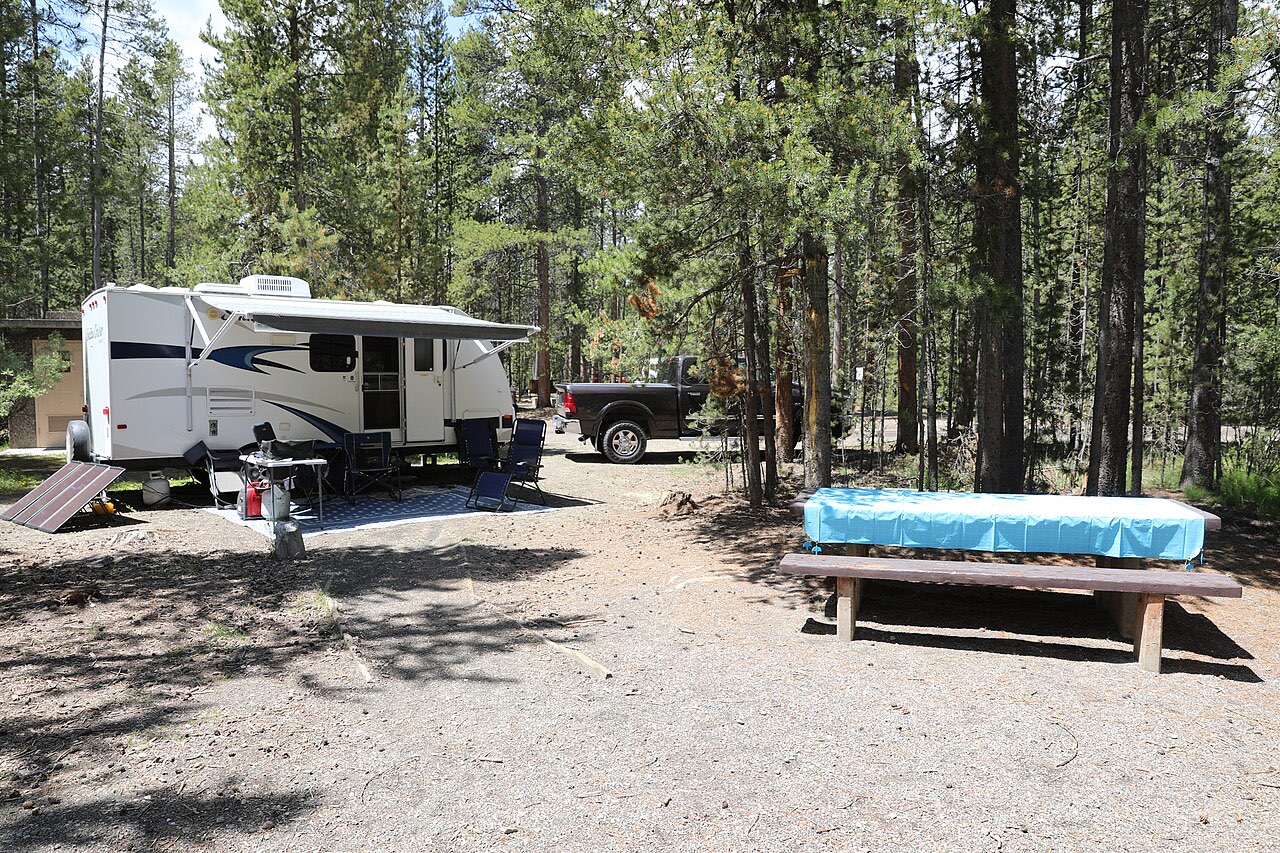
National forest, national park, BLM and Army Corps of Engineers campgrounds book through Recreation.gov, which lists about 3,600 facilities and more than 103,000 reservable sites across 12 agencies. The reservation fee is $8 online, $9 by phone, $3 in person; cancellations before arrival cost $10, cancelling the day before or day of also forfeits the first night, and a no-show costs $20 plus the first night. Changing to entirely new dates is $10; extending or shortening within the original dates is free.
Site fees run $10 to $35 for standard sites, with electric loops at the top of that range. Holders of the America the Beautiful Senior or Access pass get half off most federal camping fees, a detail the national park pass guide covers. Hookups are the exception: Corps of Engineers lakes often have electric and water, most forest and park campgrounds have neither, and sewer is rare. Dump stations exist at the larger campgrounds, sometimes for a separate fee. Length limits are real and often 25 to 35 feet; the national park RV size limits guide lists them park by park.
Many forest and BLM campgrounds remain first-come, first-served with a fee envelope and an iron ranger; BLM’s camping page says to pay within 30 minutes of occupying a site, and a site counts as taken only when the fee is paid, the stub is displayed and the site is occupied.
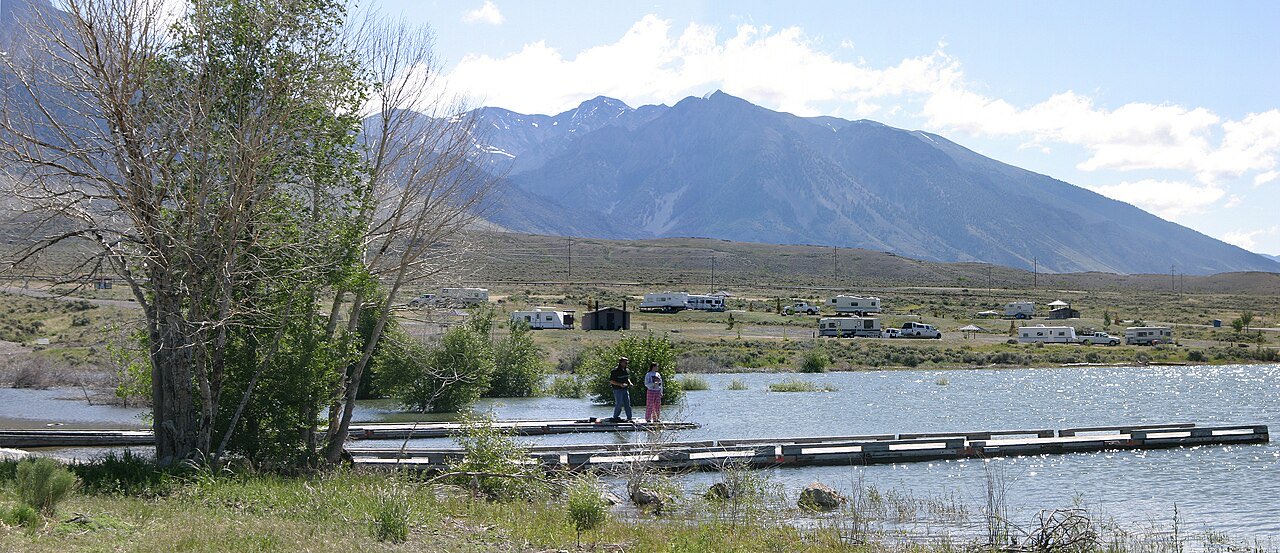
Who it is for: anyone going to the place the campground is in; the campground is the destination’s cheapest lodging. Mistakes: waiting until a month out for a June site in a national park; assuming a generator is allowed all day (most have hours); bringing a 38-foot fifth wheel to a 30-foot loop.
Dispersed public land
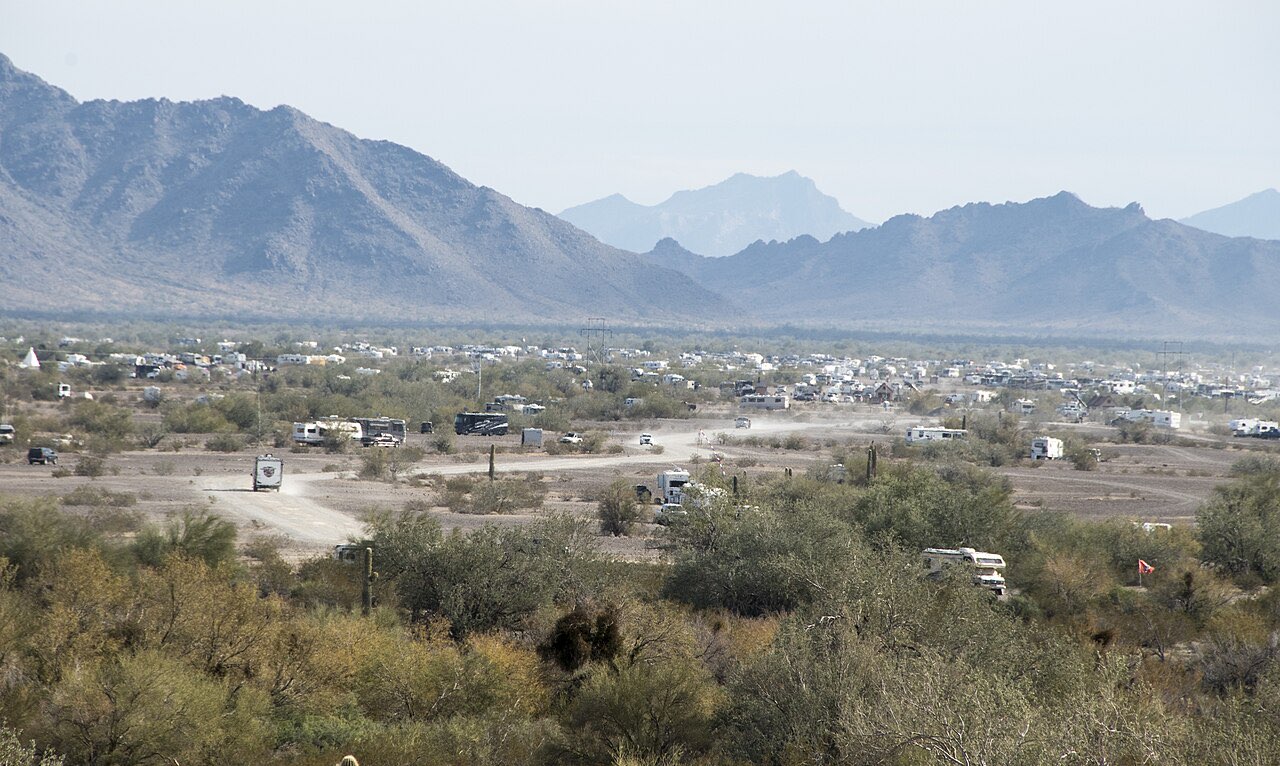
Outside developed campgrounds, most BLM and national forest land is open to free camping with no booking. BLM’s camping page sets the pattern: stays are generally limited to 14 days within any 28-day period (the exact window varies by field office), after which you must move, “often at least 25 to 30 miles.” Camp on already-disturbed sites within 150 feet of a designated route, at least 200 feet from water, pack out trash, and use a portable toilet or bury waste 6 to 8 inches deep. National forests set their own limits by forest order: the Rio Grande National Forest, for example, allows 14 days in any 30-day period, requires vehicles to stay within 300 feet of a designated road’s centerline, and sends RV sewage to a dump station, not the ground. Other forests run 14 in 60 (Coronado, Black Hills), or cap the year (Mendocino, 28 days).
The two BLM exceptions worth knowing: the Long-Term Visitor Areas in southern Arizona and California, where a $180 permit covers September 15 to April 15 and a $40 permit covers 14 days, with dump stations and water at some; and designated dispersed sites in heavily used areas near Moab, Sedona and Prescott, where you must use a numbered site and some now carry a fee or a 7-day limit.
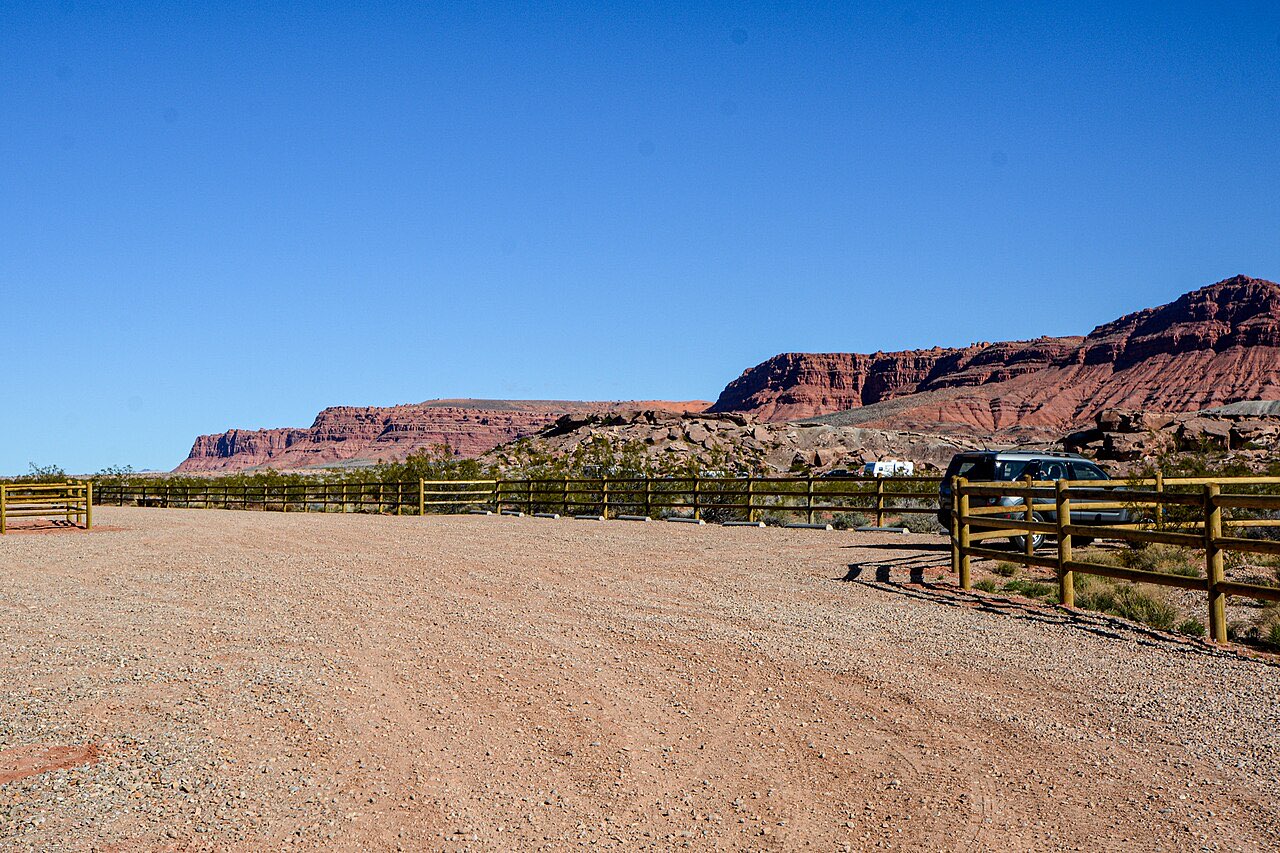
The cost is not zero; it is shifted into equipment and planning. You need battery capacity, a way to recharge it, a water plan and a dump plan, and a rig that can handle washboard roads. The boondocking for beginners guide walks through the first trip. Named sites those agencies publish are in the directory of dump stations and free campsites, with the source fee field, water note, and coordinates. Dispersed camping on land that has no named site in the dataset can still be allowed where the local order says so. The directory does not draw those areas. Who it is for: self-sufficient rigs, long stays on a budget, anyone who wants a view instead of a neighbor. Mistakes: driving a 35-foot trailer down a road you have not scouted; counting on cell service for the map; staying 15 days.
Host programs
Harvest Hosts sells annual memberships ($99 Classic, $169 with Boondockers Welcome, $179 All Access, list prices as of October 2026) for one-night stays at 9,600-plus farms, wineries, breweries, golf courses and private driveways. There is no camping fee; members are asked to make a purchase, which the host rules put at a suggested $30, and the rig must be fully self-contained with an interior toilet and holding tanks. Boondockers Welcome hosts are private RVers offering a driveway or field, 70 percent with some hookups, for no payment. The Harvest Hosts guide does the break-even math; the short version is that a member who would otherwise pay for ten or more travel nights a year comes out ahead, and a weekend camper does not.
Who it is for: anyone covering distance who finds Walmart lots grim and KOAs expensive. Mistakes: treating it as a campground (one night, arrive in business hours, leave early); showing up in a rig without a toilet; skipping the purchase.
Gear for the cheaper options
As an Amazon Associate we earn from qualifying purchases.
- PAULINN interlocking RV leveling blocks, 12 pack: Dispersed and host sites are rarely level.
 $25.99Price as of November 16, 2026, 10:00 AM ET. Prices and availability are accurate as of the date/time indicated and are subject to change. Any price and availability information displayed on Amazon.com at the time of purchase will apply to the purchase of this product.
- VTOMAN Jump 600X portable power station: A power station covers small loads where there are no hookups and generator hours are limited.
How to choose by trip
| Trip | Use |
|---|---|
| First weekend out | State park with electric, under 2 hours from home |
| Summer week at a national park | Federal campground booked the day the window opens, with a private park outside the gate as the fallback |
| Cross-country move, 400 miles a day | Harvest Hosts or Boondockers Welcome nights, a KOA Journey every third night for laundry and tanks |
| Snowbird winter on a budget | BLM LTVA permit, with a monthly private-park stay when the tanks and the weather demand it |
| Family vacation with kids and no hiking | KOA Holiday or Resort, Patio site, book early |
| A month in one area | Private park monthly rate, or a 14-day public campground stay followed by 14 days somewhere else |
Fees above were read from koa.com, tpwd.texas.gov, floridastateparks.org, parks.ca.gov, recreation.gov, blm.gov, fs.usda.gov and harvesthosts.com on October 28, 2026. State park and federal fees change at the start of each fiscal year and KOA rates change by the week; confirm the total on the booking page, not the listing, before you commit. For finding and booking any of these, the campground apps guide covers which app does which job.
Frequently asked questions
What does a KOA cost per night for an RV?
KOA does not publish a rate card; each franchised campground sets its own prices, which change by season and site type. Full-hookup sites commonly run $50 to $100 a night, with Resort locations, Patio sites and holiday weekends higher. KOA Rewards costs $39 a year and takes 10 percent off daily rates at 500-plus locations, so it pays back after about four nights.
How much is a state park RV site with hookups?
It varies by state, and the headline rate is rarely the total. As of October 2026 Texas parks list full-hookup sites at $20 to $35 a night plus a daily entrance fee per person; Florida adds a $7 nightly utility fee to every RV site plus a $6.70 reservation fee; California charges an $8.25 reservation fee and $8.25 to change or cancel. Budget $30 to $55 all-in for a hookup site in most states, more in Oregon and coastal parks.
Is camping on BLM or national forest land really free?
Dispersed camping outside developed campgrounds is free on most BLM and Forest Service land. You get no hookups, no water, no toilet and no trash service, and a stay limit of 14 days in a period that varies by office, after which BLM says to move often 25 to 30 miles. Developed public campgrounds charge modest fees, and BLM's long-term visitor areas in Arizona and California sell $180 seven-month permits.
How far ahead do I need to book?
Recreation.gov federal sites typically open six months out and the popular ones fill the morning they open; the fee is $8 online. Florida residents book state parks 11 months out, non-residents 10. KOAs usually have space outside holiday weekends. Dispersed public land needs no booking at all, which is the whole appeal.
Which option is best for a first RV trip?
A state park with electric and water, within two hours of home, for two nights. It is cheaper than a KOA, has more space between sites, and still has a dump station and a ranger if something goes wrong. Save dispersed camping for after you know your tank and battery capacities.
Keep planning
- Black Friday RV Campground Membership and Gear Deals 2026
What to look for in RV campground memberships and outdoor gear Black Friday deals in 2026, including Thousand Trails, KOA and Harvest Hosts.
Updated Nov 2026 - Boondocking for Beginners: Rules, Water and Power
Boondocking for beginners: BLM and Forest Service dispersed camping rules, 14-day limits, Motor Vehicle Use Maps, Leave No Trace, water and power budgets.
Updated Nov 2026 - RV Campground Apps: The Best for Finding and Booking Sites (2026)
The best RV campground apps compared with 2026 official prices: Recreation.gov, Campendium, The Dyrt, iOverlander, RV LIFE, Harvest Hosts and Hipcamp.
Updated Nov 2026